
Braintrust
Product by Braintrust
Facts checked: Not yet checked
Our take (not a Learning Standard rating). This label applies to learning-science judgments throughout this overview.
Our take (not a Learning Standard rating)
While The Learning Standard has not yet evaluated Braintrust's specific learning outcomes, high-dosage tutoring from certified educators is a proven model for academic intervention. The platform relies on human direct instruction rather than automated mechanics, meaning educational quality depends entirely on the individual tutor's application of learning science.
Pros
- Requires all tutors to hold active teaching certifications, ensuring baseline pedagogical knowledge and instructional training.
- Supports high-dosage direct instruction, which research identifies as one of the most effective interventions for closing academic gaps.
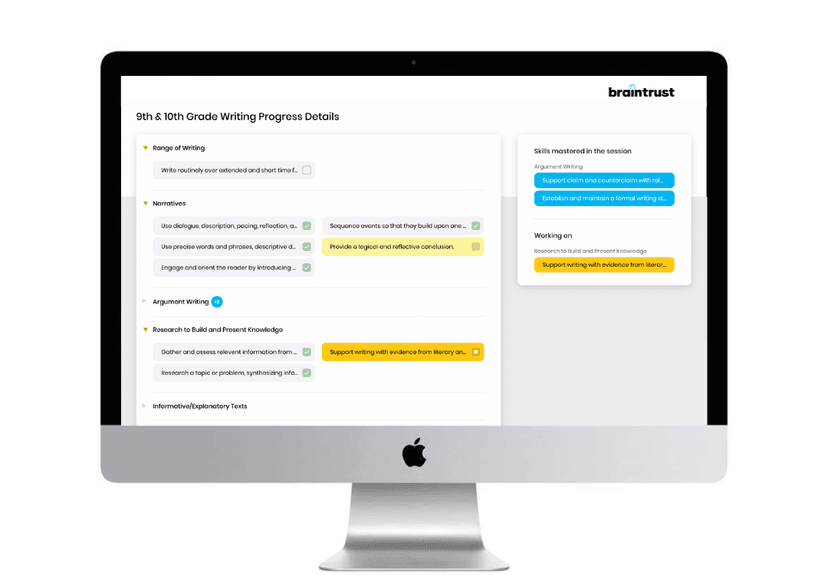
- Provides shared progress reports that keep parents informed about specific learning milestones and session activities.
- Allows families to select specialists explicitly trained to support specific learning differences like dyslexia or ADHD.
Cons
- Instructional quality and adherence to evidence-based practices vary entirely by the individual tutor selected.
- Lacks a standardized curriculum, relying on the tutor to independently supply or create appropriate learning materials.
- Variable pricing models set by individual tutors can make consistent, high-dosage sessions cost-prohibitive for many families.
What Do We Know About Braintrust?
Braintrust facilitates effective learning by connecting your child with certified teachers for personalized, direct instruction, though outcomes depend heavily on the specific tutor. Unlike algorithm-based educational apps, Braintrust is a marketplace for human-led, one-on-one tutoring. The platform's defining requirement is that all tutors must be certified educators or learning specialists. This barrier to entry ensures your child works with professionals trained in pedagogy and cognitive development, not untrained peer tutors. For students with learning differences, this professional background is critical. Direct instruction delivered in a high-dosage format is heavily supported by learning science as the gold standard for closing achievement gaps. However, because Braintrust does not mandate a specific curriculum or instructional sequence, the application of learning science principles like retrieval practice, spaced repetition, or worked examples varies from session to session. You are purchasing a connection to an expert rather than a standardized software solution. The platform includes reporting tools to help you track what your child is practicing, but you must remain actively involved to ensure the tutor's methods align with your child's specific needs.
How Does Braintrust Work?
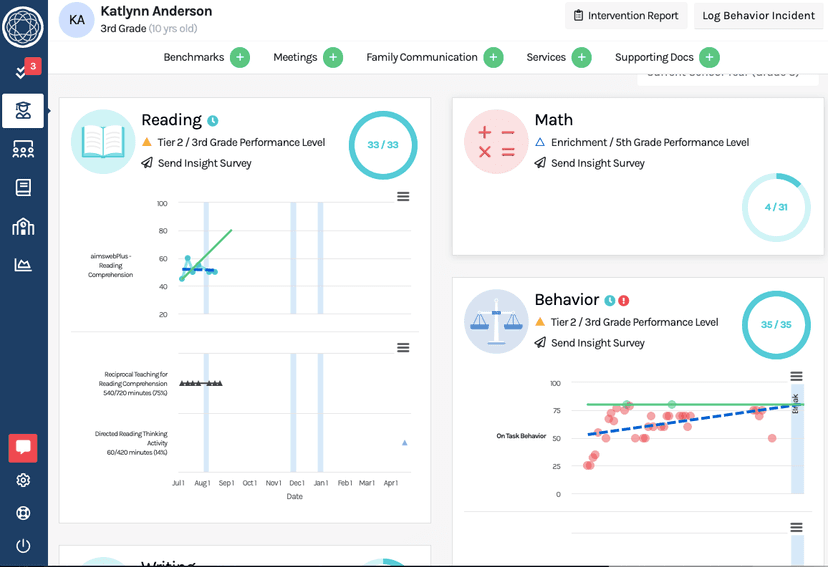
Braintrust uses individualized direct instruction delivered by human educators rather than an automated software curriculum. You begin by searching the platform's database to find a certified teacher or learning specialist who matches your child's grade level, subject needs, and specific learning profile. Once matched, the tutor assesses your child's current knowledge gaps and designs a personalized intervention plan. Sessions take place one-on-one, allowing the tutor to employ immediate corrective feedback and scaffold complex concepts in real-time. Because the platform caters to K-12 students across all core subjects, the specific instructional mechanics depend on the discipline. A reading specialist might focus on phonics decoding and phonemic awareness, while a math tutor might model worked examples before transitioning to guided practice. After each session, the tutor logs progress notes in Braintrust's reporting dashboard. This creates a transparent record of the skills addressed, ensuring that parents, classroom teachers, and the tutor can coordinate their support strategies.
Strengths and tradeoffs of Braintrust
Braintrust's biggest strength is its strict requirement for certified educators, while its biggest weakness is the inherent variability in instructional quality that comes with a marketplace model. By restricting its tutor pool to trained professionals, Braintrust increases the likelihood that your child will receive evidence-based interventions. Certified specialists are generally equipped to implement explicit instruction and adapt their scaffolding based on a student's cognitive load. This is especially vital for students with learning differences, who often require systemic, structured approaches to master foundational skills in literacy and mathematics. Furthermore, the platform encourages high-dosage tutoring, which research consistently shows yields significant learning gains when conducted frequently over extended periods. Conversely, the lack of a centralized, standardized curriculum means Braintrust cannot guarantee the use of specific learning science mechanics. Whether a tutor effectively utilizes spaced repetition to build long-term retention or relies on less effective, cramming-based review strategies is entirely up to the individual. Additionally, because tutors set their own rates, securing the recommended frequency of sessions for true mastery learning may stretch family budgets, potentially limiting the dosage and undermining the overall effectiveness of the intervention.
Who Might Benefit From Braintrust?
Braintrust is best for K-12 students with diagnosed learning differences who require specialized, one-on-one intervention from certified educators. It serves families who find standard peer-tutoring platforms ineffective and need professionals trained in specific pedagogical techniques, such as Orton-Gillingham for dyslexia or executive function coaching for ADHD. Since tutors set their own rates, it is suited for parents willing to invest in high-quality, high-dosage direct instruction to close significant academic gaps or support classroom learning across core humanities, math, and science subjects.
Sources and review method
TLS combines product information and editorial analysis to explain how Braintrust works, its tradeoffs, and the questions to ask before choosing it. Product features, an instructional rationale and evidence of learning outcomes are different kinds of information.
Formal Learning Standard assessment: not yet completed. Data Transparency findings are reported separately and do not establish learning effectiveness. Read our methodology.
Frequently Asked Questions About Braintrust
Is Braintrust free?
No, Braintrust is a paid service. Tutors on the platform set their own hourly rates, which means pricing varies widely based on the educator's experience, geographic location, and specific areas of expertise.
Is Braintrust good for elementary students?
Yes, elementary students benefit significantly from the direct instruction model provided by Braintrust's certified teachers. Early childhood and elementary education are heavily supported, allowing parents to find specialists trained in foundational literacy and numeracy development.
What does Braintrust teach?
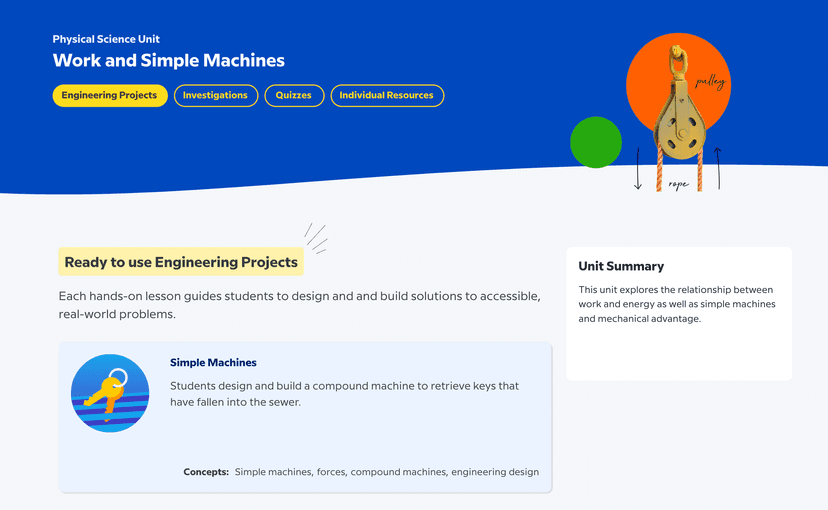
Braintrust covers all core K-12 academic subjects, including math, science, humanities, and early childhood education. Instead of providing its own curriculum, the platform connects students with tutors who teach these subjects using personalized materials and direct instruction.
How does Braintrust compare to standard tutoring platforms?
Braintrust strictly limits its marketplace to 100% certified teachers and learning specialists. Standard tutoring platforms often employ college students or uncertified subject-matter experts, which may cost less but lacks the pedagogical foundation necessary for students with specific learning differences.
Has The Learning Standard evaluated Braintrust?
TLS has not yet completed a Learning Standard evaluation of how well Braintrust teaches. TLS has not published a Data Transparency result for its privacy policy.
Follow TLS Research
Subscribe to future TLS research updates: app reviews, findings, and what the evidence shows.
Screenshots

Take Action
For Braintrust
If you represent Braintrust and have a correction or new evidence, send the relevant source so we can review and update this page.
Submit a correctionDetails
- Pricing
- Braintrust empowers its tutors to set their own rates, creating a wide range of price points for families and schools to connect with expert educators.
- Platforms
- Web Browser, iOS (Apple mobile), iPadOS (Apple tablet), Android (Google mobile), Tizen (Samsung mobile), Windows (Microsoft), macOS (Apple), Chrome OS (Google), Other
- Grade Levels
- Kindergarten, 1st Grade, 2nd Grade, 3rd Grade, 4th Grade, 5th Grade, 6th Grade, 7th Grade, 8th Grade, 9th Grade, 10th Grade, 11th Grade, 12th Grade
- Website
- Visit site