Apex Learning
Product by Apex Learning
Facts checked: Not yet checked
Our take (not a Learning Standard rating). This label applies to learning-science judgments throughout this overview.
Our take (not a Learning Standard rating)
Apex Learning delivers a comprehensive, standards-aligned digital curriculum for middle and high school students, but its heavy reliance on traditional direct instruction can limit active engagement. While it effectively uses mastery-based progression to ensure foundational understanding, independent learners may struggle without active teacher facilitation to provide targeted feedback and support.
Pros
- Utilizes mastery-based progression to ensure students demonstrate comprehension on formative quizzes before advancing to new material.
- Incorporates frequent retrieval practice through end-of-module assessments to strengthen long-term memory traces.
- Provides detailed worked examples in math and science modules to help reduce cognitive load during initial skill acquisition.
- Offers built-in scaffolding features like text-to-speech and translation to actively support English language learners and struggling readers.
Cons
- Relies heavily on text-heavy direct instruction which can easily lead to passive learning and cognitive fatigue in younger students.
- Lacks sophisticated adaptive pathways, requiring human teachers to manually intervene when students repeatedly fail the same module assessments.
- Provides minimal elaborative feedback on incorrect answers beyond simply marking them wrong, leaving students stuck without corrective guidance.
What Do We Know About Apex Learning ?
Apex Learning is an effective tool when used alongside active teacher support, but it is not a standalone solution for unmotivated learners. This platform provides a rigorous, standards-aligned curriculum for students in grades 6 through 12, covering everything from foundational math to Advanced Placement courses. For your child, this means accessing a massive library of direct instruction and practice tutorials. The platform relies heavily on competency-based learning, requiring your child to prove they understand a concept through quizzes before moving forward. This ensures baseline mastery but can become frustrating if your child gets stuck, as the automated feedback is often limited. While the ESSA-validated research indicates positive learning outcomes, these results are tightly linked to blended learning environments where human teachers actively monitor progress and intervene. If your child is using Apex Learning for credit recovery or remote schooling, they will need strict routines and regular check-ins. The platform provides solid worked examples and frequent retrieval practice via low-stakes quizzes, but its text-heavy interface demands strong independent reading skills and high executive functioning.
How Does Apex Learning Work?
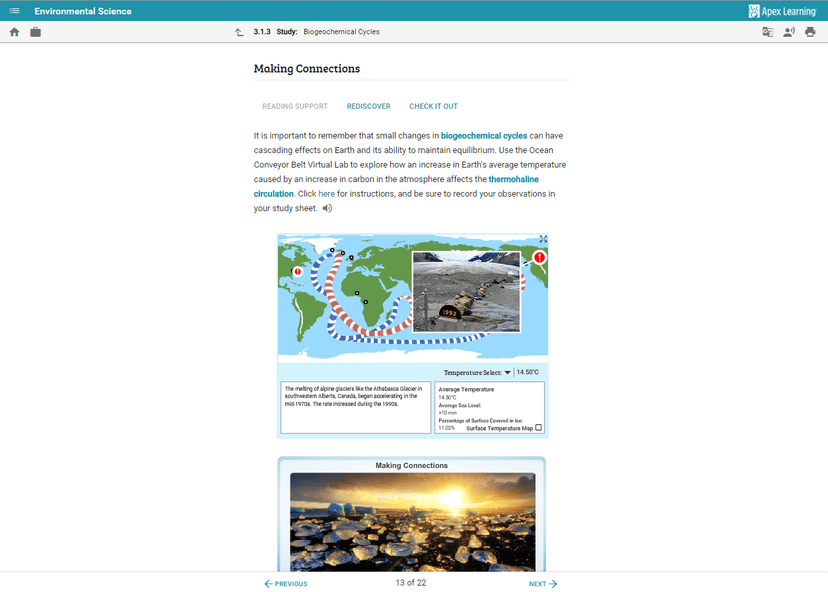
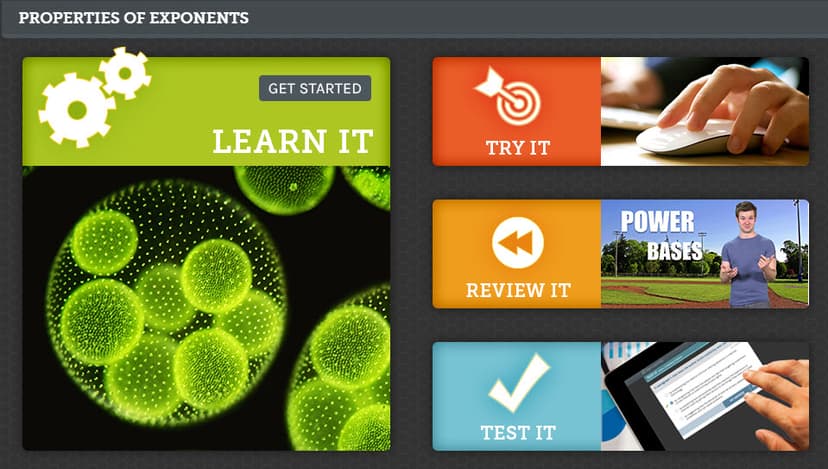
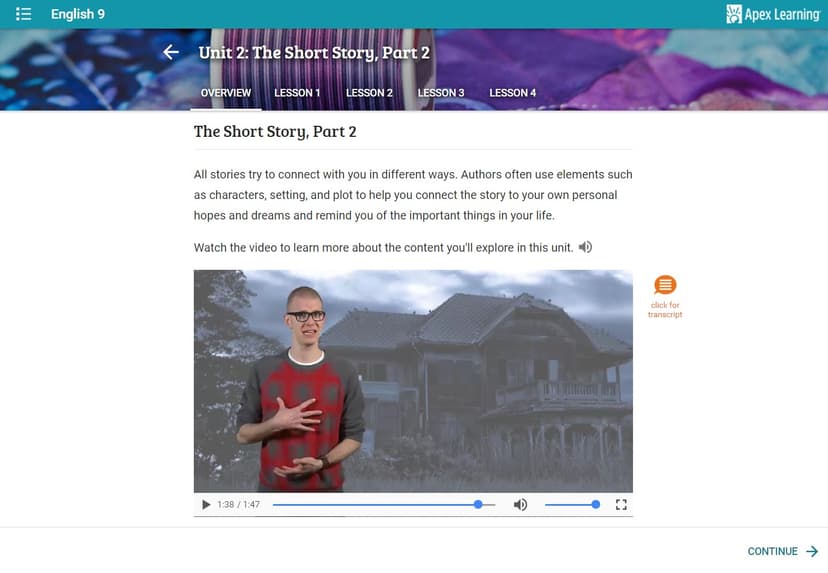
Apex Learning uses a mastery-based, direct instruction model supplemented by frequent formative assessments. The platform organizes content into distinct modules comprising text-based lessons, multimedia presentations, and interactive practice sets. When your child logs in, they navigate a linear learning path. They first consume instructional material often reading text or watching structured videos before attempting practice problems. This instructional design leans on worked examples, showing step-by-step solutions to build initial schema. Following instruction, the system deploys multiple-choice and short-answer quizzes to test immediate recall. Because the platform enforces competency-based progression, your child must achieve a minimum passing score on these quizzes to unlock the next lesson. If they fail, they are usually prompted to review the material and try again. For educators, the backend dashboard tracks these assessment scores and time-on-task, highlighting which students require intervention. Tutorials, a specific sub-product, are more modular and allow teachers to assign targeted practice based on specific skill deficits identified in classroom instruction.
Strengths and tradeoffs of Apex Learning
The biggest strength of Apex Learning is its comprehensive, mastery-based curriculum, while its biggest weakness is the heavy reliance on passive, text-based direct instruction. Mastery-based progression is highly effective because it prevents students from advancing with foundational gaps; your child cannot skip ahead without proving they understand the current topic. The platform also successfully integrates retrieval practice through frequent, low-stakes quizzes embedded at the end of every module, forcing students to recall information and strengthen memory traces. Furthermore, the extensive use of worked examples in math and science courses helps reduce cognitive load during initial skill acquisition. However, the platform struggles with active engagement. Much of the instruction involves reading dense text on a screen, which can lead to rapid cognitive fatigue for struggling readers or students with attention deficits. Additionally, the feedback mechanisms are relatively shallow. When your child makes an error, the system rarely provides elaborative feedback explaining the underlying misconception, placing the burden of remediation entirely on the classroom teacher. Without strong human facilitation, this lack of targeted scaffolding can leave independent learners stuck in a cycle of repeated quiz failures.
Who Might Benefit From Apex Learning ?
Apex Learning is best for highly motivated middle and high school students who need flexible credit recovery or AP coursework within a teacher-supported blended learning environment. Because the curriculum relies heavily on independent reading and self-pacing, it requires strong executive functioning skills. It serves as an excellent structural backbone for school districts needing to standardize instruction across grades 6-12. However, it is not ideal for young learners, students requiring intense behavioral scaffolding, or fully independent home users who lack access to a subject-matter expert to clarify complex topics when the automated feedback falls short.
Sources and review method
TLS combines product information and editorial analysis to explain how Apex Learning works, its tradeoffs, and the questions to ask before choosing it. Product features, an instructional rationale and evidence of learning outcomes are different kinds of information.
Formal Learning Standard assessment: not yet completed. Data Transparency findings are reported separately and do not establish learning effectiveness. Read our methodology.
Frequently Asked Questions About Apex Learning
Is Apex Learning free?
No, Apex Learning is not free. It is an enterprise-level educational platform purchased by schools and school districts, which then provide login credentials to their enrolled students. Individual families or parents cannot typically purchase single standalone licenses for personal home use. If you are interested in having your child use this curriculum, you will need to inquire with your local school district or charter school administrators to see if they hold an active site license and offer it as an option.
Is Apex Learning good for middle schoolers?
Yes, it is effective for middle schoolers, provided they have strong reading comprehension and executive functioning skills. The platform comprehensively covers 6th through 8th-grade core subjects, ensuring state standards are met. However, the text-heavy interface and highly structured direct instruction model require active teacher monitoring to keep younger adolescents focused and engaged. Without a live educator to provide scaffolding, motivation, and elaborative feedback when mistakes are made, typical middle schoolers may experience cognitive fatigue and struggle to progress through the modules independently.
What does Apex Learning teach?
Apex Learning teaches a massive, full-spectrum digital curriculum covering nearly all middle and high school subjects. The platform includes standard core classes like foundational math, life sciences, English language arts, and social studies. Beyond the basics, it provides specialized access to a wide variety of Advanced Placement (AP) courses, diverse electives ranging from psychology to financial literacy, and specific Career and Technical Education (CTE) pathways. This vast library is designed to help schools meet complex state graduation requirements through a single software provider.
How does Apex Learning compare to Edgenuity?
Both Apex Learning and Edgenuity offer similar mastery-based, direct instruction digital curricula designed primarily for secondary schools and credit recovery. Apex Learning generally provides stronger text-based scaffolding and utilizes clearer worked examples to build initial comprehension, whereas Edgenuity relies much more heavily on video-based direct instruction. From a learning science perspective, the effectiveness of either platform depends almost entirely on the implementation model. Neither is highly effective as a standalone tool; both require local classroom teachers to actively monitor progress, intervene, and provide personalized feedback.
Has The Learning Standard evaluated Apex Learning?
TLS has not yet completed a Learning Standard evaluation of how well Apex Learning teaches. TLS has not published a Data Transparency result for its privacy policy.
Follow TLS Research
Subscribe to future TLS research updates: app reviews, findings, and what the evidence shows.
Screenshots
Take Action
For Apex Learning
If you represent Apex Learning and have a correction or new evidence, send the relevant source so we can review and update this page.
Submit a correctionDetails
- Pricing
- Per-student and district-wide subscription models are available.
- Platforms
- Windows (Microsoft), macOS (Apple), Chrome OS (Google)
- Grade Levels
- 6th Grade, 7th Grade, 8th Grade, 9th Grade, 10th Grade, 11th Grade, 12th Grade
- Website
- Visit site