Read Ahead AI
Product by Read Ahead AI
Facts checked: Not yet checked
Our take (not a Learning Standard rating). This label applies to learning-science judgments throughout this overview.
Our take (not a Learning Standard rating)
While Read Ahead AI applies scaffolding to digital texts, a proven strategy for managing cognitive load, The Learning Standard has not yet evaluated its specific implementation. Its ability to turn any text into a structured lesson has potential for cross-curricular literacy, but actual effectiveness depends heavily on AI-generated question quality.
Pros
- Reduces cognitive load by scaffolding complex digital texts into manageable instructional chunks.
- Supports cross-curricular literacy by allowing educators to import texts from science, social studies, or humanities.
- Provides teachers with actionable data on student reading duration and comprehension progress.
Cons
- AI-generated reading comprehension questions often lack the nuance of expertly crafted assessments.
- Lacks transparency on how the algorithm adjusts text complexity for struggling readers.
- Enterprise pricing structure creates a high barrier to entry for schools seeking broad student implementation.
What Do We Know About Read Ahead AI?
Read Ahead AI has the structural components of an effective literacy tool, though it is pending formal evaluation by The Learning Standard. By taking digital texts and applying intelligent scaffolding, the platform helps your child process complex information in smaller, more digestible segments. This aligns with cognitive load theory, which demonstrates that breaking down dense material improves reading comprehension and retention. Your child will interact with texts across various subjects, from fifth-grade science to high school humanities, rather than practicing reading in a vacuum. This cross-curricular approach is crucial, as background knowledge in specific domains drives reading comprehension more effectively than generic skill drills. However, because the scaffolding and lesson plans are AI-generated, the quality of the learning experience depends heavily on the algorithm's accuracy. If the generated questions focus purely on surface-level recall rather than deep inference, your child may not build advanced critical thinking skills. Teachers can track progress and adjust instruction, making this primarily a classroom tool rather than an independent app for home use.
How Does Read Ahead AI Work?
Read Ahead AI uses automated instructional scaffolding to break down digital texts into structured, personalized lesson plans. Teachers import reading materials relevant to their current curriculum, and the platform's machine learning algorithms generate comprehension checks and reading supports around that text. This process turns passive reading into an active learning task. By embedding questions and prompts directly into the reading experience, the platform forces students to pause, reflect, and retrieve information, leveraging retrieval practice to strengthen memory. Teachers monitor this activity through an analytics dashboard that tracks reading time, engagement, and comprehension accuracy. This data allows educators to identify which students are struggling with specific texts and intervene accordingly. Because it handles materials from humanities to applied sciences, the platform functions as a flexible literacy wrapper rather than a rigid, pre-packaged curriculum.
Strengths and tradeoffs of Read Ahead AI
The biggest strength of Read Ahead AI is its cross-curricular adaptability, while its biggest weakness is the inherent unreliability of AI-generated assessments. Strengths: The platform excels at domain-specific literacy. Learning science shows that reading comprehension is deeply tied to background knowledge. By allowing teachers to import texts from science, history, or humanities, students practice reading skills within meaningful contexts rather than isolated exercises. The tool's use of scaffolding, breaking dense text into smaller, supported chunks, effectively manages cognitive load for middle and high school students tackling complex academic language. Weaknesses: Because the platform relies on machine learning to generate lesson plans and comprehension questions, the instructional quality can be inconsistent. AI models frequently struggle to generate deep, inferential questions, often defaulting to surface-level fact retrieval. If the embedded questions do not require students to make connections or analyze the text, the retrieval practice becomes superficial. Additionally, while teacher accounts are free, the steep enterprise pricing restricts broad student access, limiting its utility for underfunded districts.
Who Might Benefit From Read Ahead AI?
Best for middle and high school teachers who want to integrate structured reading comprehension into their specific subject areas. The platform targets students from fifth grade through early college who need scaffolding to tackle dense academic texts. Because educators can import their own materials, it is highly effective for science or social studies classrooms where complex vocabulary and domain-specific knowledge often create barriers to entry. It is not designed as a standalone app for parents to give their children at home, but rather as a classroom integration tool requiring active teacher oversight to monitor data and adjust instruction.
Sources and review method
TLS combines product information and editorial analysis to explain how Read Ahead AI works, its tradeoffs, and the questions to ask before choosing it. Product features, an instructional rationale and evidence of learning outcomes are different kinds of information.
Formal Learning Standard assessment: not yet completed. Data Transparency findings are reported separately and do not establish learning effectiveness. Read our methodology.
Frequently Asked Questions About Read Ahead AI
Is Read Ahead AI free?
Individual teacher accounts are entirely free, allowing educators to test the text-importing and lesson-generation features. However, actually deploying the platform for student use requires a significant financial commitment from the school or district. Enterprise accounts demand a $2000 annual service fee, plus an additional $5 annual subscription per student. This high barrier to entry means parents cannot purchase this for home use, and underfunded schools may struggle to justify the cost without a district-wide initiative.
Is Read Ahead AI good for middle schoolers?
Yes, the platform is highly appropriate for middle schoolers, targeting students from fifth grade up to the college level. Middle school is a critical transition period where students move from learning to read to reading to learn. The platform's scaffolding features help manage the cognitive load required to understand complex academic texts in science and social studies. By breaking dense paragraphs into manageable chunks for your child, it prevents the frustration and abandonment often seen in emerging adolescent readers.
What does Read Ahead AI teach?
Read Ahead AI does not teach a proprietary, pre-written curriculum. Instead, it teaches core reading comprehension and active reading strategies by applying intelligent scaffolding to digital texts. Teachers import articles or textbook chapters relevant to their current unit, and the platform generates a personalized lesson plan around that specific material. This ensures students practice critical literacy skills (such as identifying main ideas, making inferences, and summarizing) while simultaneously learning the domain-specific content required for their science, humanities, or social studies classes.
How does Read Ahead AI compare to standard reading quizzes?
Standard reading assessments typically test comprehension after the fact, asking students to recall information long after they have finished reading. This approach often fails struggling readers who lose the thread of the text early on. Read Ahead AI differs by embedding questions and scaffolding directly into the reading experience itself. This forces students to engage in active retrieval practice while they process the text, effectively preventing cognitive overload and ensuring they understand each section before moving on to more complex material.
Has The Learning Standard evaluated Read Ahead AI?
TLS has not yet completed a Learning Standard evaluation of how well Read Ahead AI teaches. TLS has not published a Data Transparency result for its privacy policy.
Follow TLS Research
Subscribe to future TLS research updates: app reviews, findings, and what the evidence shows.
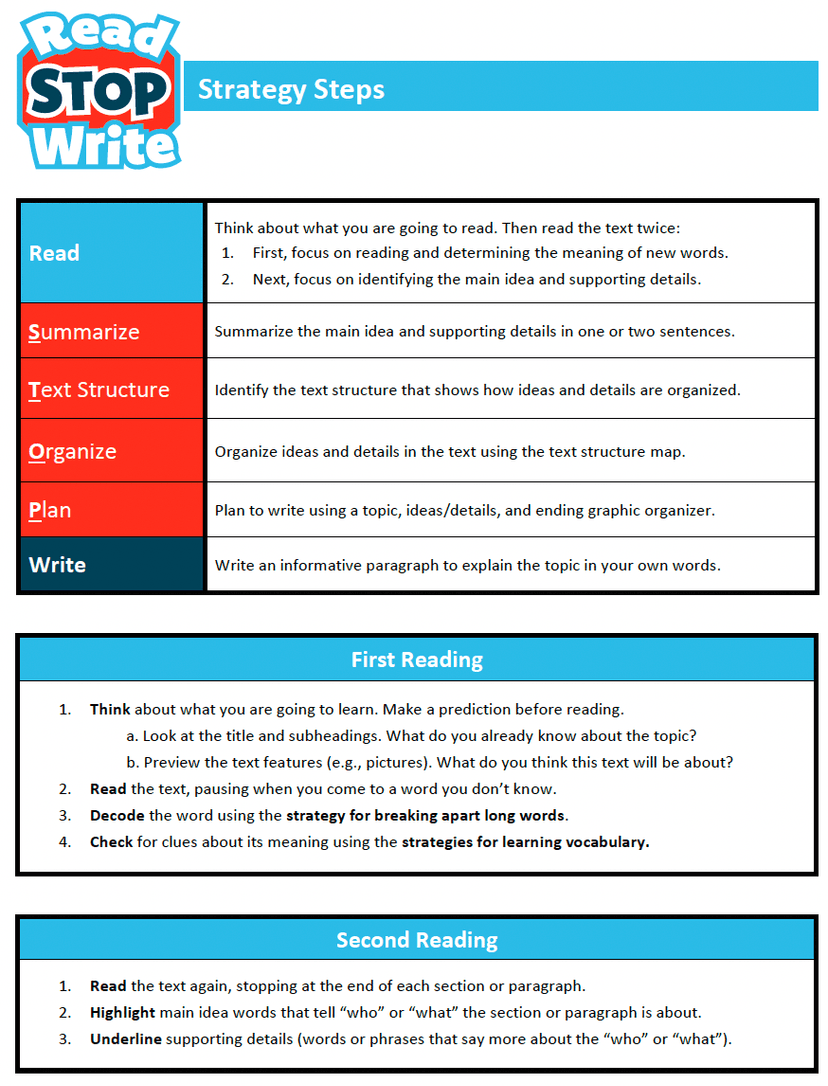
Screenshots


Take Action
For Read Ahead AI
If you represent Read Ahead AI and have a correction or new evidence, send the relevant source so we can review and update this page.
Submit a correctionDetails
- Pricing
- Individual teacher accounts are free. For scaled use with students: Enterprise accounts require $2000 annual service fee+ $5/per student annual subscription. Annual service period is from time of contract until the end of next school year.
- Platforms
- Web Browser
- Grade Levels
- 5th Grade, 6th Grade, 7th Grade, 8th Grade, 9th Grade, 10th Grade, 11th Grade, 12th Grade, Associate's degree
- Website
- Visit site