Playbl Behavioral Health Video Games
Product by Playbl
Facts checked: Not yet checked
Our take (not a Learning Standard rating). This label applies to learning-science judgments throughout this overview.
Our take (not a Learning Standard rating)
Pending formal evaluation by The Learning Standard. Playbl utilizes game-based learning to address complex behavioral health topics like substance misuse and mental health. While interactive role-play scenarios can improve situational awareness and decision-making skills, efficacy depends heavily on whether the games include spaced retrieval practice and explicit feedback rather than just immersive narratives.
Pros
- Presents high-stakes behavioral health scenarios in a low-risk simulated environment to build decision-making skills.
- Uses interactive narratives to increase engagement with traditionally dry health education topics.
- Targets specific adolescent challenges like mental health and peer pressure with age-appropriate context.
Cons
- Lacks transparent data on how learning transfer occurs from the game world to real-world behavioral changes.
- Priced per student per game, which becomes expensive rapidly for schools or parents addressing multiple health topics.
- Game-based mechanics often risk overshadowing the core educational objectives if not carefully balanced with explicit instruction.
What Do We Know About Playbl Behavioral Health Video Games?
Playbl offers a promising but unrated approach to teaching your child critical behavioral health skills through interactive gaming. Instead of relying on passive lectures about substance misuse or sexual health, these games place your child in simulated social scenarios where they must make active choices. This active participation leverages experiential learning, which can be highly effective for behavioral health education. By navigating peer pressure or mental health challenges in a digital space, your child can practice decision-making in a safe, low-stakes environment. However, without formal evaluation by The Learning Standard, it remains unclear if these games utilize spaced repetition or targeted feedback to ensure long-term retention of these life skills. Parents should know that playing a game once rarely leads to lasting behavioral change unless the concepts are reinforced through ongoing discussion. At ten dollars per game per student, the cost can add up quickly. Treat Playbl as a supplementary conversation starter rather than a comprehensive health curriculum until further efficacy data is verified.
How Does Playbl Behavioral Health Video Games Work?
Playbl uses scenario-based digital role-playing to teach behavioral health concepts. Students navigate interactive narratives that simulate real-world adolescent challenges, such as encountering substance misuse or managing mental health crises. The core mechanic relies on branching dialogue and decision trees, requiring learners to make choices and experience the simulated consequences of those actions. This approach applies the principles of situated cognition, embedding learning within the context in which it will ultimately be used. As students progress, they encounter different social pressures and environmental triggers. By forcing the learner to actively choose a response rather than passively reading a textbook, the platform aims to strengthen neural pathways related to executive function and impulse control. However, effective game-based learning requires immediate, explanatory feedback when a student makes a suboptimal choice. While the games provide narrative consequences, the depth of explicit instructional feedback provided after these simulated outcomes is currently pending evaluation.
Strengths and tradeoffs of Playbl Behavioral Health Video Games
The biggest strength of Playbl is its use of immersive, low-risk simulations to tackle high-stakes social issues, while its biggest weakness is the lack of verified data regarding long-term knowledge retention. Engagement through simulation allows students to practice complex social interactions without real-world consequences. This aligns with observational learning theory, where modeling behaviors in a relatable context improves self-efficacy. By presenting topics like mental health and sexual health within a game environment, Playbl reduces the stigma and friction often associated with traditional health classes. Conversely, the absence of proven retrieval practice is a notable concern. Playing a game creates a highly contextualized experience, but unless the platform forces students to recall key information at spaced intervals, the lessons may be forgotten once the game is turned off. Furthermore, the per-module pricing structure makes it difficult to implement a comprehensive, multi-topic health curriculum. While the interactive narratives serve as strong worked examples for handling peer pressure, educators and parents must actively bridge the gap between the game scenarios and real-world application to ensure the educational value endures.
Who Might Benefit From Playbl Behavioral Health Video Games?
Playbl is best for middle and high school students who struggle to engage with traditional health education and benefit from interactive, scenario-based learning. Targeting grades five through twelve, the platform is designed for adolescents facing emerging social pressures regarding mental health, substance use, and sexual health. It serves as an effective supplementary tool for school counselors or health teachers wanting to introduce complex behavioral topics through a relatable medium. Parents seeking a structured way to initiate difficult conversations at home will also find these games useful, provided they use the gameplay as a springboard for deeper, real-world discussions rather than a standalone solution.
Sources and review method
TLS combines product information and editorial analysis to explain how Playbl Behavioral Health Video Games works, its tradeoffs, and the questions to ask before choosing it. Product features, an instructional rationale and evidence of learning outcomes are different kinds of information.
Formal Learning Standard assessment: not yet completed. Data Transparency findings are reported separately and do not establish learning effectiveness. Read our methodology.
Frequently Asked Questions About Playbl Behavioral Health Video Games
Is Playbl Behavioral Health Video Games free?
No, Playbl Behavioral Health Video Games is not free. The list price is $10 per student for each individual game module. Schools, districts, or community organizations looking to purchase licenses for multiple students or across several different behavioral health games must contact the developer directly to negotiate bulk pricing discounts. Because health education typically covers multiple topics throughout the year, parents and educators should carefully calculate the total cost of implementing this program before committing.
Is Playbl Behavioral Health Video Games good for middle schoolers?
Yes, Playbl Behavioral Health Video Games is highly appropriate for middle schoolers in grades five through eight. The scenarios are specifically designed to tackle early adolescent challenges like emerging peer pressure, emotional regulation, and foundational mental health awareness. By using game-based interactive narratives, the platform engages younger teens in a medium they already enjoy, making intimidating health topics much more accessible than traditional textbook learning or standard classroom lectures.
What does Playbl Behavioral Health Video Games teach?
Playbl Behavioral Health Video Games teaches foundational behavioral health skills, specifically focusing on mental health awareness, substance misuse prevention, and sexual health. Instead of memorizing biology facts, it uses game-based scenarios to help students practice active decision-making, impulse control, and social navigation. By placing learners in simulated situations involving peer pressure or emotional distress, the platform aims to build real-world resilience and equip adolescents with the practical scripts they need to make healthier choices.
Has The Learning Standard evaluated Playbl Behavioral Health Video Games?
TLS has not yet completed a Learning Standard evaluation of how well Playbl Behavioral Health Video Games teaches. TLS has not published a Data Transparency result for its privacy policy.
Follow TLS Research
Subscribe to future TLS research updates: app reviews, findings, and what the evidence shows.
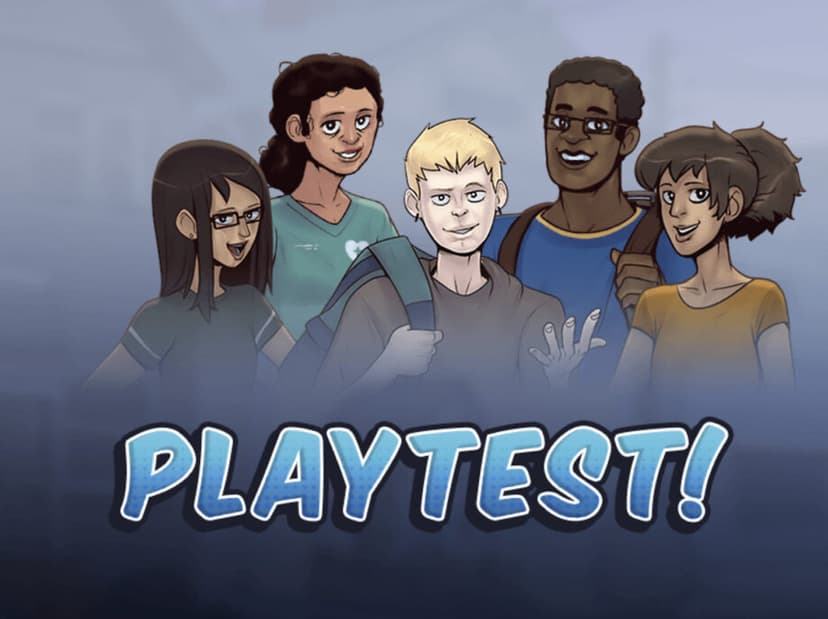
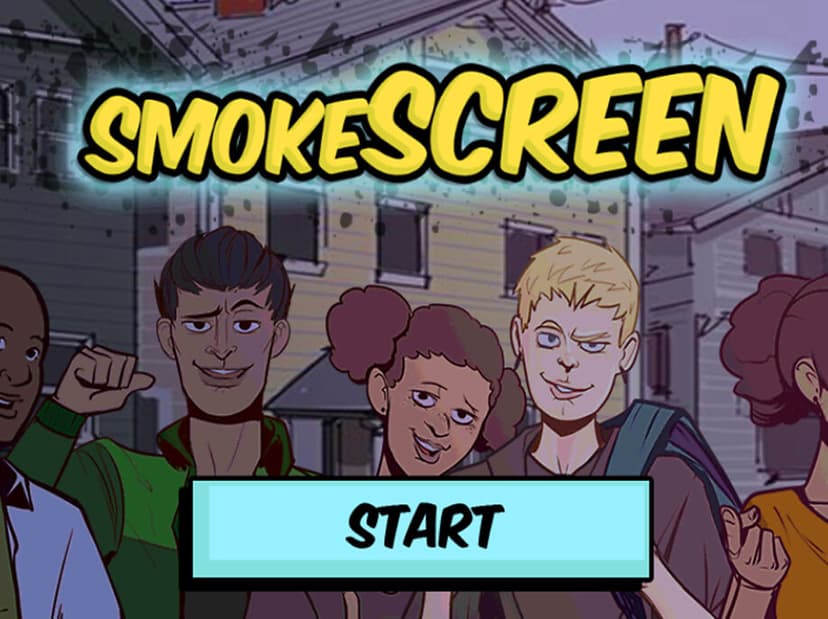
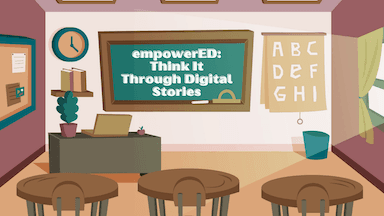
Screenshots
Take Action
For Playbl Behavioral Health Video Games
If you represent Playbl and have a correction or new evidence, send the relevant source so we can review and update this page.
Submit a correctionDetails
- Pricing
- The list price is $10/student/game. Contact Playbl for bulk discounts.
- Platforms
- Web Browser, iOS (Apple mobile), iPadOS (Apple tablet), Android (Google mobile), Tizen (Samsung mobile), Windows (Microsoft), macOS (Apple), Chrome OS (Google)
- Grade Levels
- 5th Grade, 6th Grade, 7th Grade, 8th Grade, 9th Grade, 10th Grade, 11th Grade, 12th Grade
- Website
- Visit site