Maps101
Product by Maps.com LLC
Facts checked: Not yet checked
Our take (not a Learning Standard rating). This label applies to learning-science judgments throughout this overview.
Our take (not a Learning Standard rating)
While Maps101 offers a vast repository of geographical and historical maps, its effectiveness as a standalone teaching tool is pending evaluation by The Learning Standard. It functions better as a reference library than a structured curriculum, lacking built-in retrieval practice or spaced repetition to ensure long-term retention of spatial data.
Pros
- Provides extensive visual resources that help reduce cognitive load when comparing historical and modern geographical boundaries.
- Connects current events to geography through its news network, providing real-world context that enhances semantic memory.
- Includes interactive activities that encourage active engagement rather than passive map viewing.
Cons
- Lacks structured mastery-based progression to ensure foundational knowledge before introducing complex geopolitical concepts.
- Does not utilize spaced repetition algorithms to help students retain geographical facts over time.
- Functions more as a static resource library than an adaptive learning environment that responds to learner misconceptions.
- Lacks automated corrective feedback on interactive exercises to actively correct geographical misunderstandings.
What Do We Know About Maps101?
Maps101 serves primarily as a comprehensive reference library rather than a standalone instructional tool, meaning its effectiveness depends entirely on how an educator or parent integrates it into a broader curriculum. Because The Learning Standard has not yet evaluated this platform, we cannot verify its pedagogical efficacy. However, based on its design, it operates by providing rich multimedia resources like curated stories, a Field Trip Library, and interactive maps. Your child will not find a self-guided, adaptive learning pathway here. Instead, you or your child's teacher must direct the learning experience. The inclusion of the Geography News Network is a strong feature, as tying new spatial knowledge to current events leverages associative learning, helping cement facts into long-term memory. Without built-in retrieval practice or automated assessments to test recall, students may experience the illusion of competence simply by viewing maps without actually learning the underlying geography. You will need to provide external quizzes or discussion prompts to ensure your child actively processes the material.
How Does Maps101 Work?
Maps101 uses a resource-based, exploratory approach where students interact with maps, articles, and digital field trips rather than following a linear curriculum. Once logged in, users navigate a vast database of geographical and historical maps spanning various eras and regions. The platform relies heavily on visual learning, allowing students to overlay different data points or explore curated stories that provide context to spatial boundaries. Interactive games and activities are included to provide basic active recall opportunities, though these function more as supplemental enrichment than rigorous assessments. The Field Trip Library immerses students in specific locations, attempting to build situational interest and provide concrete examples of abstract geographical concepts. Because it lacks a mastery-based algorithm, progression is entirely user-directed. Students choose what to explore, making it a flexible tool for research projects but requiring significant adult scaffolding to ensure comprehensive subject coverage.
Strengths and tradeoffs of Maps101
Maps101's biggest strength is its immense volume of contextualized visual data, while its biggest weakness is the lack of a structured learning pathway to ensure material retention. The platform excels at providing high-quality, interactive maps that reduce the cognitive load typically associated with cross-referencing historical texts with static atlas pages. By combining current events with spatial data, it helps students build strong associative networks in their memory. However, from a learning science perspective, a repository is not a curriculum. The platform lacks systematic retrieval practice. Students are not regularly prompted to recall geographic facts from memory, which is a critical mechanism for moving information from short-term to long-term storage. Additionally, without spaced repetition, the vast amount of information presented is highly susceptible to the forgetting curve. Interactive games offer some engagement, but without detailed feedback on incorrect answers, students miss out on corrective learning opportunities. Because Maps101 is currently pending evaluation by The Learning Standard, empirical data on its effectiveness remains unavailable, but its design suggests it is best utilized alongside direct instruction rather than as an independent learning solution.
Who Might Benefit From Maps101?
Maps101 is best for K-12 educators and homeschooling parents who need a robust digital atlas to supplement their existing social studies instruction. It is highly useful for older students conducting independent research projects or exploring the historical context of current events. Because the platform relies heavily on text-based stories and complex map overlays, younger learners will require significant adult guidance to navigate the interface effectively. It is not recommended for parents seeking a set-and-forget educational app, as it demands active facilitation to turn its reference materials into actionable learning experiences.
Sources and review method
TLS combines product information and editorial analysis to explain how Maps101 works, its tradeoffs, and the questions to ask before choosing it. Product features, an instructional rationale and evidence of learning outcomes are different kinds of information.
Formal Learning Standard assessment: not yet completed. Data Transparency findings are reported separately and do not establish learning effectiveness. Read our methodology.
Frequently Asked Questions About Maps101
Is Maps101 free?
No, Maps101 is a subscription-based service, though it does offer a free trial. Schools and districts typically purchase institutional licenses, but individual subscriptions may be available depending on the provider's current offerings.
Is Maps101 good for elementary students?
It requires heavy adult supervision for elementary students. While the visual maps are engaging, the reading level of the curated stories and the unstructured nature of the platform mean younger children will struggle to learn independently without teacher or parent guidance.
What does Maps101 teach?
Maps101 teaches geography, world history, US history, and current events. It provides visual spatial data and historical context, helping students understand how borders, demographics, and geographical features change over time.
Has Maps101 been evaluated by The Learning Standard?
No, Maps101 is currently pending evaluation. As outlined in our methodology, we do not issue formal pedagogical ratings until our team conducts a full analysis of the app's learning mechanics, feedback loops, and alignment with cognitive science principles.
Maps101 vs National Geographic MapMaker: Which is better for learning?
National Geographic MapMaker is better for simple, modern topographical and political customization, while Maps101 offers a more comprehensive historical database. Maps101 includes specific lesson plans, historical overlays, and current event integration that standalone map tools lack natively.
Has The Learning Standard evaluated Maps101?
TLS has not yet completed a Learning Standard evaluation of how well Maps101 teaches. TLS has not published a Data Transparency result for its privacy policy.
Follow TLS Research
Subscribe to future TLS research updates: app reviews, findings, and what the evidence shows.
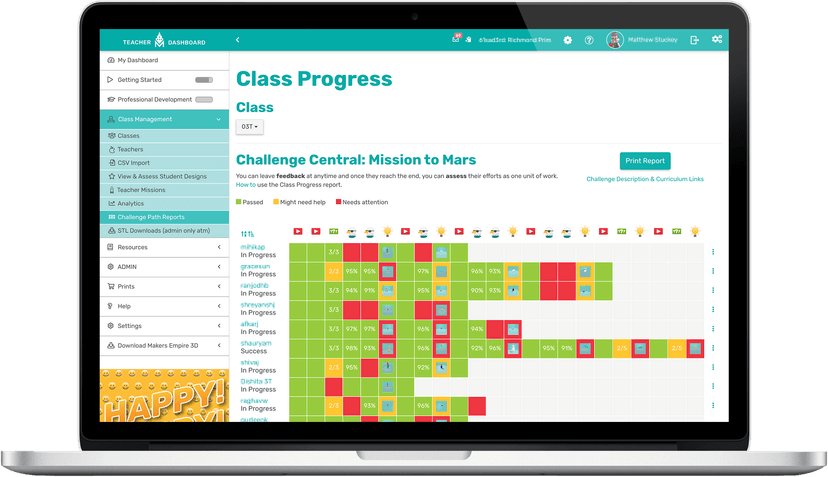
Screenshots
Take Action
For Maps101
If you represent Maps.com LLC and have a correction or new evidence, send the relevant source so we can review and update this page.
Submit a correction