
Imagine Math for Grades 3 and up
Product by Imagine Learning
Facts checked: Not yet checked
Our take (not a Learning Standard rating). This label applies to learning-science judgments throughout this overview.
What Do We Know About Imagine Math for Grades 3 and up?
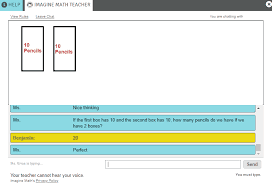
Imagine Math targets grades 3-12 by ditching basic rote memorization for actual problem-solving. What really makes it work is the live support. When kids get stuck, they don't just get punted to a generic tutorial video: they can instantly chat with a certified, often bilingual, math teacher.
Districts buy into this heavily, and the independent ratings justify the spend. It pulled perfect scores from EdReports and a "Promising" label from Evidence for ESSA. The data generally shows that once a student hits 30 lessons or 20 hours of use, their Quantile growth and state test scores jump.
Just don't try to buy it for home use. They don't sell to individual families or even list prices online; it's strictly district-level licensing. It's also worth noting the test score bumps aren't a guarantee. While the curriculum clearly helps on exams like the Missouri MAP, a handful of studies in larger suburban districts showed that 3rd through 5th graders barely moved the needle on tests like the GCAS.
How Does Imagine Math for Grades 3 and up Work?
What makes Imagine Math actually work is how it handles the moments when kids get frustrated. Sure, it starts with the standard diagnostic test to build a custom lesson map. But as a student works through the modules, the software is actively watching for hiccups. Hit a wall, and the system won't just spit out another formula to memorize. It forces the student to slow down and explain their reasoning. If they're still stuck, the algorithm hands the reins over to a real person: kids can instantly connect with a certified, bilingual teacher for live one-on-one help. They definitely care about racking up 'Think Points' and climbing the class leaderboards to show off, but the underlying instruction doesn't let them just guess their way through. You have to genuinely master the concept before the software lets you move on.
Strengths and tradeoffs of Imagine Math for Grades 3 and up
The biggest reason to look at Imagine Math isn't the algorithm: it's the actual humans. Kids can just click a button and get live help from certified, bilingual math teachers. Honestly, that beats the pants off most software that just feeds students another automated hint. It still does the usual adaptive pacing using diagnostic data, and EdReports gave it top marks for rigor and usability, but the live tutoring is the real hook. It also has a solid track record of moving the needle for low-income students and kids with disabilities.
You can't just buy a license for your kid at home, though, since pricing is strictly locked to schools and districts. And if your school does adopt it, temper your expectations on state testing because the results can be a bit all over the place. For instance, one study in a large suburban district saw zero difference on the GCAS test for 3rd-5th graders, even though those same students saw huge jumps on their MAP assessments.
Still, as far as edtech goes, the research backing is unusually solid. Evidence for ESSA rates it as 'Promising,' and the core Imagine IM program sits at a 'Moderate' rating based on four studies tracking nearly 9,000 kids. National data from 2021-2022 showed users jumping an average of 108Q on the Quantile scale. Just keep the giant asterisk in mind: none of these numbers matter if the kids don't log the time. If they aren't hitting at least 20 hours of use or passing 30 lessons, you're probably not going to see those standardized gains.
Who Might Benefit From Imagine Math for Grades 3 and up?
Imagine Math is really built for whole school districts, not individual families. Aimed at grades 3 through 12, its absolute best feature is the live, bilingual tutoring. Having a real person ready to step in is a massive help for kids who get stuck or need instructions in Spanish. Teachers usually just drop it into a daily intervention block to see how everyone is handling their custom lesson paths.
The big catch is the licensing. You can't just buy it for your own kid. Since it's strictly district-level, parents or homeschoolers hunting for a quick app download are out of luck. If you just want at-home practice, you're better off grabbing a standard single subscription from IXL or Prodigy, even if it means missing out on the live teachers.
Sources and review method
TLS combines product information and editorial analysis to explain how Imagine Math for Grades 3 and up works, its tradeoffs, and the questions to ask before choosing it. Product features, an instructional rationale and evidence of learning outcomes are different kinds of information.
Formal Learning Standard assessment: not yet completed. Data Transparency findings are reported separately and do not establish learning effectiveness. Read our methodology.
Frequently Asked Questions About Imagine Math for Grades 3 and up
Pricing & Availability
Don't bother looking for a free trial. Imagine Math is strictly B2B, meaning they only sell licenses directly to school districts. It’s honestly a bit frustrating if you're a parent trying to grab a personal subscription for your kid to use at home, because you simply can't. Pricing is hidden behind a "contact sales" wall and depends entirely on a district's specific needs.
Is it any good for elementary kids?
For 3rd through 5th graders, it’s actually really solid. The jump from basic addition to complex problem-solving catches a lot of kids off guard, but the layout here eases that transition. The biggest perk is the built-in support. Kids can literally connect with live, bilingual teachers right in the app. If your 9-year-old is hitting a wall with fractions, having that lifeline is huge.
What's actually in the curriculum?
The content spans grades 3 through 12, hitting standard state requirements all the way up through Algebra and Geometry. Rather than forcing rote memorization, it pushes kids to actually explain their reasoning. They want students to grasp the "why" behind the math, which usually translates to better critical thinking when tackling nasty word problems later on.
Screen Time & Gamification
How much time does it take to actually see results? The data points to a pretty specific sweet spot: 20 hours of logged time, or about 30 passed lessons over the school year. Kids hitting that mark generally see a noticeable bump in their state test scores. Consistency beats cramming here.
To keep them logging those hours, the app relies on a standard gamification loop. Kids earn "Think Points" for knocking out lessons, which they can spend on digital rewards or use to climb the class leaderboard. It’s a decent hook to get 3rd graders invested early on, though older middle schoolers might roll their eyes at it. Ultimately, the real engine of the program is the adaptive tech working under the hood, not the virtual points.
Has The Learning Standard evaluated Imagine Math for Grades 3 and up?
TLS has not yet completed a Learning Standard evaluation of how well Imagine Math for Grades 3 and up teaches. TLS has not published a Data Transparency result for its privacy policy.
Follow TLS Research
Subscribe to future TLS research updates: app reviews, findings, and what the evidence shows.
Screenshots



Take Action
For Imagine Math for Grades 3 and up
If you represent Imagine Learning and have a correction or new evidence, send the relevant source so we can review and update this page.
Submit a correctionDetails
- Pricing
- Pricing for Imagine Learning varies per district. Schools and districts can obtain pricing information from Imagine Learning at https://www.imaginelearning.com/en/us/about/contact-us
- Platforms
- Web Browser, iPadOS (Apple tablet), Android (Google mobile), Windows (Microsoft)
- Grade Levels
- 3rd Grade, 4th Grade, 5th Grade, 6th Grade, 7th Grade, 8th Grade, 9th Grade, 10th Grade, 11th Grade, 12th Grade
- Website
- Visit site