
eSpark
Product by eSpark Learning
Facts checked: Not yet checked
Our take (not a Learning Standard rating). This label applies to learning-science judgments throughout this overview.
Our take (not a Learning Standard rating)
While eSpark is pending formal evaluation, its mix of direct instruction and interactive practice aligns well with established personalized learning models. It successfully differentiates math and reading content for K-5 students. However, highly gamified environments can sometimes introduce extraneous cognitive load, distracting younger learners from core educational objectives.
Pros
- Uses initial diagnostic assessments to place students on a personalized learning path tailored to their current academic skill level.
- Delivers explicit direct instruction through video before asking students to complete independent practice activities.
- Incorporates student interests into AI-generated reading and writing prompts to boost motivation and engagement.
- Breaks down complex math and reading concepts into smaller, manageable instructional steps to reduce cognitive overload.
Cons
- Heavy reliance on game-based elements introduces extraneous cognitive load that distracts from the target learning objectives.
- Automated AI-generated content occasionally lacks the pedagogical precision and vocabulary richness of human-authored instructional materials.
- Lacks robust, elaborative feedback mechanisms for incorrect answers beyond prompting the student to try the question again.
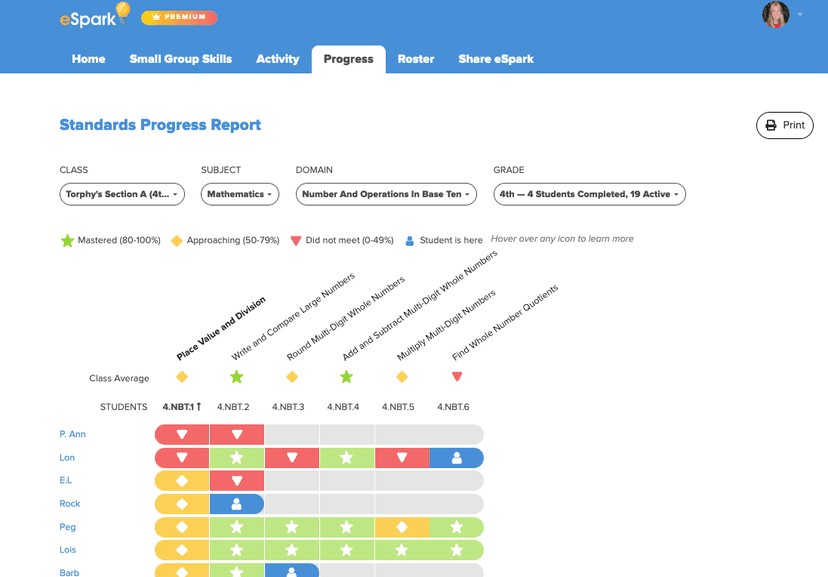
- Premium data analytics and deeper administrative tracking features are locked behind a paid tier.
What Do We Know About eSpark?
eSpark provides a generally effective, highly structured environment for K-5 math and reading, though its heavy use of games requires monitoring to ensure your child is actually learning. The platform uses a clear sequence of explicit instruction followed by practice, which learning science shows is highly effective for foundational skill acquisition. When your child logs in, the system assesses their current level and delivers specific video lessons and interactive activities matched to their needs. This personalized approach prevents frustration by keeping tasks within your child's zone of proximal development.
However, you must be aware of the gamification aspect. While games keep children engaged, they often introduce extraneous cognitive load. Your child might focus more on the mechanics of a game rather than the underlying math or reading concept. Additionally, the app uses AI to generate reading passages based on student interests. While this boosts motivation, AI-generated texts can sometimes lack the rich vocabulary and nuanced sentence structures found in traditional children's literature. Since The Learning Standard has not yet formally evaluated eSpark, we recommend sitting with your child during early sessions. Watch to see if they can explain what they are learning, rather than just clicking through to earn rewards.
How Does eSpark Work?
eSpark utilizes a personalized, direct-instruction model integrated with game-based practice to teach K-5 math and reading. When a student first uses the program, they complete a diagnostic placement test. This assessment determines their baseline knowledge and assigns them to a specific quest or learning pathway tailored to their individual needs.
Each quest follows a strict pedagogical sequence. First, students watch a short instructional video that explicitly models the target skill or concept. Next, they complete a series of interactive practice activities and games designed to test their understanding. Finally, students take a short quiz to demonstrate mastery before progressing to the next topic. If a student fails the mastery check, the system redirects them to review the material, ensuring they do not advance before solidifying foundational skills. The platform also uses generative AI to create custom reading and writing prompts based on subjects the student selects, such as sports or animals, tailoring the context of the practice to their specific interests.
Strengths and tradeoffs of eSpark
eSpark’s biggest strength is its ability to differentiate instruction based on individual student data, while its biggest weakness is the potential for game mechanics to overshadow the learning material.
The platform excels at providing targeted support. By using diagnostic assessments, eSpark ensures students work within their zone of proximal development, meaning tasks are neither too easy nor too difficult. The use of explicit instruction via video before expecting students to perform a task aligns perfectly with the science of learning. Students see worked examples before they are asked to solve problems independently, which effectively manages cognitive load during the initial stages of skill acquisition.
Conversely, the heavy reliance on gamification presents significant drawbacks. While games increase time-on-task, they frequently introduce extraneous cognitive load. Students often expend mental energy learning how to play the game rather than processing the educational content. Furthermore, the feedback provided during these games is often limited to simply marking an answer right or wrong. Without elaborative feedback, explanations of why an answer is incorrect, students miss crucial opportunities to correct misconceptions. Since eSpark is currently pending formal evaluation by The Learning Standard, educators should monitor whether students are retaining the information or merely mastering the games.
Who Might Benefit From eSpark?
eSpark is best for K-5 elementary students who benefit from highly structured, individualized practice in reading and math alongside their standard classroom instruction. Because it automatically differentiates content based on a starting assessment, it works well in classrooms with diverse skill levels, allowing teachers to provide remediation or enrichment automatically. Parents and educators looking for an independent workstation activity will find its structured learning pathways highly suitable. The AI-generated interest-based prompts also make it a strong option for reluctant readers who need accessible texts to build foundational literacy skills.
Sources and review method
TLS combines product information and editorial analysis to explain how eSpark works, its tradeoffs, and the questions to ask before choosing it. Product features, an instructional rationale and evidence of learning outcomes are different kinds of information.
Formal Learning Standard assessment: not yet completed. Data Transparency findings are reported separately and do not establish learning effectiveness. Read our methodology.
Frequently Asked Questions About eSpark
Is eSpark free?
Yes, a limited version called eSpark Lite is completely free for individual teachers to use in their classrooms. Administrators and school districts must purchase a Premium membership to unlock the full suite of features. The paid version provides advanced administrative data insights, comprehensive training, and access to a wider library of lessons. Parents cannot purchase individual home subscriptions directly; access typically flows through a school account.
Is eSpark good for K-5 students?
Yes, eSpark is specifically designed for the developmental needs of K-5 students. The interface relies on visual cues, interactive games, and short video lessons that accommodate the shorter attention spans of younger learners. Content is strictly aligned with early childhood and elementary standards. However, because highly gamified platforms can sometimes distract from core learning objectives, active monitoring by a teacher or parent is still necessary for the youngest users.
What does eSpark teach?
eSpark teaches foundational K-5 math, reading, and writing skills. The math curriculum covers everything from basic number sense in kindergarten to fractions and early algebraic thinking in fifth grade. The humanities and literacy content focuses on phonics, reading comprehension, vocabulary development, and basic writing mechanics. Lessons are broken down into specific, targeted skills to ensure students master foundational concepts before moving on to more complex material.
How does eSpark compare to Khan Academy?
eSpark provides a much more gamified, elementary-focused experience than Khan Academy. While both platforms use diagnostic placement and explicit video instruction, Khan Academy relies on straightforward, minimalist practice sets designed to minimize distraction. eSpark incorporates animated games and AI-generated reading passages tailored to student interests. eSpark is better suited for engaging reluctant young learners, while Khan Academy provides a more rigorous, distraction-free environment for older or highly self-motivated students.
Has The Learning Standard evaluated eSpark?
TLS has not yet completed a Learning Standard evaluation of how well eSpark teaches. TLS has not published a Data Transparency result for its privacy policy.
Follow TLS Research
Subscribe to future TLS research updates: app reviews, findings, and what the evidence shows.
Screenshots



Take Action
For eSpark
If you represent eSpark Learning and have a correction or new evidence, send the relevant source so we can review and update this page.
Submit a correctionDetails
- Pricing
- Teachers in your school or district can sign up to use eSpark Lite for free. Administrators can purchase a Premium membership to get additional lessons, data insights, training, and more.
- Platforms
- Web Browser
- Grade Levels
- Kindergarten, 1st Grade, 2nd Grade, 3rd Grade, 4th Grade, 5th Grade
- Website
- Visit site