KODEIT
Product by KODEIT PUBLICATION LLC.
Facts checked: Not yet checked
Our take (not a Learning Standard rating). This label applies to learning-science judgments throughout this overview.
Our take (not a Learning Standard rating)
Though a formal evaluation is pending. KODEIT leverages project-based learning to teach computer science skills like coding and cybersecurity. While constructivist approaches encourage active problem-solving, the platform's reliance on broad exploration may overwhelm novice learners who lack sufficient foundational direct instruction and explicit worked examples.
Pros
- Utilizes project-based learning to contextualize abstract coding and cybersecurity concepts.
- Provides interactive multimedia environments that support active engagement rather than passive consumption.
- Includes educator analytics to help teachers monitor student progress and intervene when necessary.
Cons
- Constructivist, discovery-based models often induce cognitive overload in beginners without sufficient scaffolding.
- Lacks clear evidence of interleaved or spaced retrieval practice for core syntax retention.
- Requires significant teacher intervention to ensure students do not form misconceptions during independent exploration.
What Do We Know About KODEIT?
KODEIT is an effective, comprehensive technology curriculum for classrooms, provided teachers actively scaffold the project-based lessons for beginners. While The Learning Standard has not yet fully evaluated this platform, its design leans heavily on constructivist learning theory. This means your child will learn by doing: building projects, navigating digital citizenship scenarios, and interacting with multimedia elements. For complex subjects like cybersecurity and coding, hands-on application is critical for transferring knowledge to real-world contexts. However, parents should know that purely immersive environments can sometimes frustrate students who need explicit instruction first. Because this is a school-based platform, its success relies heavily on how well your child's teacher blends direct instruction with KODEIT's interactive modules. It covers a massive span from first through twelfth grade, meaning the interface and cognitive demands shift significantly as your child ages. If your school uses KODEIT, ask the teacher how they ensure foundational vocabulary and coding syntax are mastered before students are released into complex, open-ended projects.
How Does KODEIT Work?
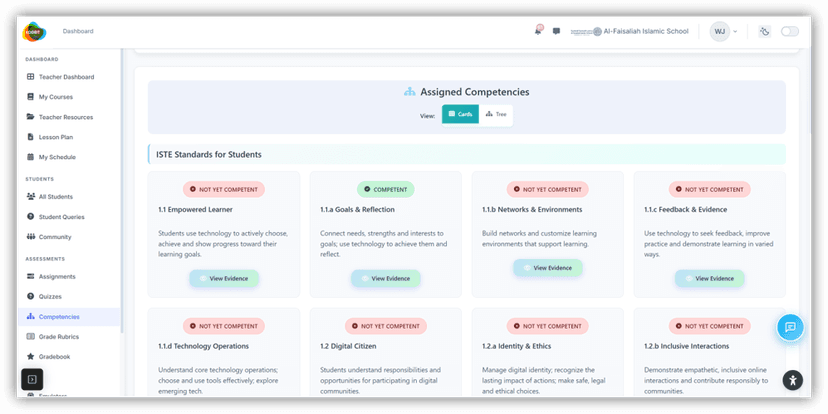
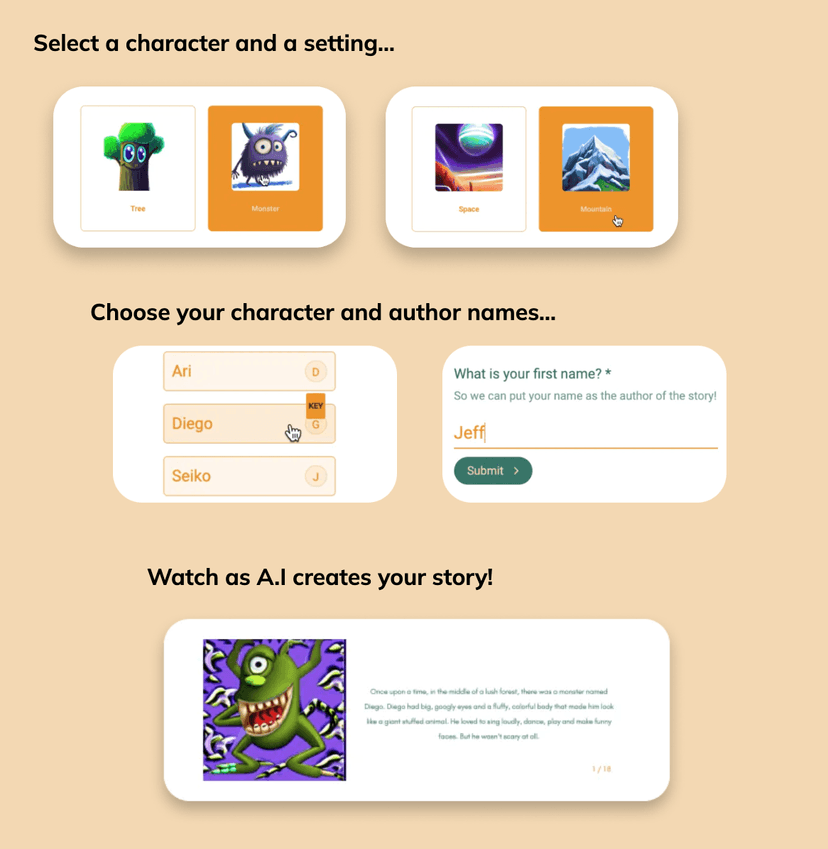
KODEIT uses a project-based, blended learning pedagogy where students build technology skills through hands-on, constructivist tasks rather than passive lectures. The platform operates as a massive digital curriculum spanning elementary through high school. Instead of traditional textbook reading, students log into an interactive dashboard to complete modules in coding, multimedia creation, and digital citizenship. Teachers assign specific immersive tasks aligned to ISTE standards, and students learn by manipulating code or navigating simulated cybersecurity threats. The software tracks their interactions and provides analytics back to the educator. By positioning the student as a creator rather than a consumer, the platform encourages active learning. However, because it is designed for a blended environment, the software expects a human teacher to provide the initial context, manage the classroom ecosystem, and clarify misconceptions that arise during the digital projects.
Strengths and tradeoffs of KODEIT
KODEIT's biggest strength is its comprehensive, project-based approach to abstract technology skills, while its biggest weakness is the potential for cognitive overload in novice learners navigating open-ended tasks. Grounded in constructivist theory, KODEIT excels at making computer science tangible. Active learning is highly effective for subjects like digital citizenship and multimedia design, where students must weigh choices and create artifacts. By allowing students to learn within an interactive ecosystem, the platform builds high engagement and supports the transfer of skills to real-world scenarios. Conversely, relying heavily on discovery-based learning is a known liability for beginners. Novice coders often need worked examples and explicit instruction to understand fundamental syntax before they can build complex projects. If KODEIT does not provide sufficient scaffolding or retrieval practice for core terms, students may struggle to retain foundational concepts. Furthermore, the platform's effectiveness hinges entirely on the teacher's ability to facilitate a blended learning environment.
Who Might Benefit From KODEIT?
KODEIT is best for K-12 school districts seeking a comprehensive, interactive technology curriculum to supplement teacher-led instruction. Because it is sold via school licenses rather than direct-to-consumer subscriptions, it operates primarily as an institutional tool. It works well for educators who want a ready-made, standards-aligned platform to teach everything from basic first-grade digital citizenship to advanced high school cybersecurity. It is ideal for blended classrooms where teachers are comfortable facilitating project-based learning and can step in to provide direct instruction when the interactive modules become too complex for independent student work.
Sources and review method
TLS combines product information and editorial analysis to explain how KODEIT works, its tradeoffs, and the questions to ask before choosing it. Product features, an instructional rationale and evidence of learning outcomes are different kinds of information.
Formal Learning Standard assessment: not yet completed. Data Transparency findings are reported separately and do not establish learning effectiveness. Read our methodology.
Frequently Asked Questions About KODEIT
Is KODEIT free?
No. KODEIT is a paid enterprise platform sold directly to schools and districts. Pricing is based on annual licenses calculated by student enrollment and the specific grade levels selected. Volume discounts are available for larger districts, and schools can purchase optional add-ons like professional development for teachers. It is not currently available as a direct-to-consumer app for individual families or homeschoolers to purchase.
Is KODEIT good for elementary students?
Yes, provided the teacher heavily scaffolds the digital instruction. KODEIT offers curriculum starting in the first grade, focusing heavily on basic digital citizenship and foundational multimedia skills. Because young children lack the working memory to navigate complex digital environments independently, the platform's constructivist approach requires a teacher to guide the project-based learning. When used as a blended tool alongside direct instruction, it successfully introduces early technology concepts.
What does KODEIT teach?
KODEIT teaches Career and Technical Education with a specific focus on computer science. The curriculum spans multiple disciplines, including foundational and advanced coding, cybersecurity protocols, multimedia production, and digital citizenship. The lessons are aligned with global educational standards, ensuring that the skills taught are relevant for modern technological literacy and future workforce readiness.
How does KODEIT compare to Code.org?
KODEIT is a paid, comprehensive curriculum that requires district licensing, whereas Code.org is a free platform accessible to anyone. While both teach coding, KODEIT integrates extensive modules on cybersecurity and digital citizenship. Code.org relies heavily on gamified, self-paced puzzles with immediate feedback, while KODEIT emphasizes project-based, constructivist learning that requires more active teacher facilitation in a blended classroom setup.
Has KODEIT been evaluated by The Learning Standard?
No, KODEIT has not yet been formally rated by The Learning Standard. Our editorial team has reviewed its pedagogical claims and feature set, but empirical data on its effectiveness against our learning science rubrics is pending evaluation. You can learn more about how we rate educational technology by visiting our methodology page.
Has The Learning Standard evaluated KODEIT?
TLS has not yet completed a Learning Standard evaluation of how well KODEIT teaches. TLS has not published a Data Transparency result for its privacy policy.
Follow TLS Research
Subscribe to future TLS research updates: app reviews, findings, and what the evidence shows.
Screenshots

Take Action
For KODEIT
If you represent KODEIT PUBLICATION LLC. and have a correction or new evidence, send the relevant source so we can review and update this page.
Submit a correctionDetails
- Pricing
- KODEIT ICT is offered through annual licenses for schools, calculated based on the number of students enrolled and the grade levels selected. Schools can choose full K–12 coverage or specific grade bands. Pricing includes access to the interactive platform, curriculum resources, and regular updates. Optional add-ons such as professional development for educators or custom localization may affect the overall cost. Volume discounts are available for larger enrollments.
- Platforms
- Web Browser
- Grade Levels
- 1st Grade, 2nd Grade, 3rd Grade, 4th Grade, 5th Grade, 6th Grade, 7th Grade, 8th Grade, 9th Grade, 10th Grade, 11th Grade, 12th Grade
- Website
- Visit site